

There’s something quietly compelling about the idea that the story of your life might be written in the lines of your own hands. Palm reading — known formally as palmistry or chiromancy — is one of the oldest divination traditions in the world, with roots stretching back thousands of years across India, China, Mesopotamia, and ancient Greece. Its precise origin is debated, but many historians trace the earliest systematic practice of palmistry to Hindu Vedic traditions, from which it spread through the Middle East and eventually into Europe.
Whether you’re curious about it as a divinatory tool, interested in what it might reveal about personality and tendencies, or simply exploring the wide landscape of spiritual and intuitive practices, understanding the basics of palmistry gives you a meaningful foundation to build from.
How Palm Reading Works
A professional palmist typically begins by examining both hands. In many traditions, the non-dominant hand reveals the traits and tendencies you were born with — your innate nature, inherited patterns, and potential. The dominant hand shows how life experience has shaped you: the choices made, paths taken, and patterns developed over time. Reading both hands together can offer a nuanced picture of the distance between where you began and where you are now.
Beyond the lines themselves, a skilled palmist will also consider the shape of the hand, the texture and flexibility of the skin, the relative length and shape of the fingers, and the prominence of the various fleshy pads (called “mounts”) at the base of each finger. Each of these elements adds depth and nuance to the reading.
The Major Lines of the Palm
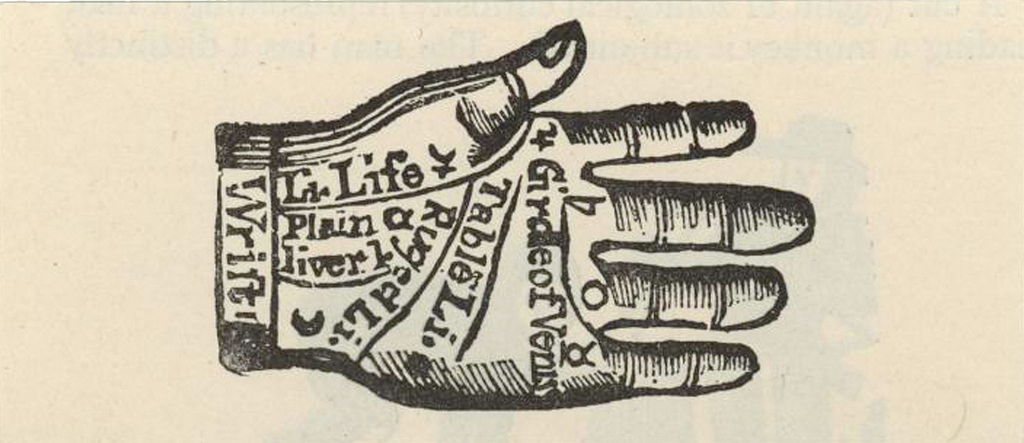
Everyone has a unique palm print, but there are four major lines that appear on virtually every hand. These are the primary focus of most palmistry readings:
Heart Line
Running horizontally across the upper portion of the palm, the heart line is associated with love, emotional life, and the health of your relationships. A long, clear heart line is generally associated with a warm, open emotional nature. A shorter or more broken line may suggest a more guarded or complex emotional life. Circles, crosses, or significant breaks on the heart line have traditionally been interpreted as indicators of emotional difficulty or challenges in maintaining relationships.
Head Line
The head line runs horizontally across the middle of the palm, below the heart line. It is associated with intellect, communication style, and how a person approaches thinking and decision-making. A long, deeply grooved head line has traditionally been linked to strong intellectual focus and a preference for careful, deliberate thinking. A shorter or straighter head line is often associated with a more practical, concrete thinking style. Where the head line curves downward, creativity and imagination tend to dominate; where it runs more straight across, pragmatism tends to lead.
Life Line
Curving around the base of the thumb, the life line is one of the most frequently asked about — and most frequently misunderstood — lines in palmistry. Contrary to common belief, the length of the life line is not understood to predict the length of a person’s life. Instead, it is associated with vitality, life force, and the quality of one’s physical experience. A deep, clear life line is associated with strong energy and resilience. A faint or broken line may suggest periods of disruption, change, or physical challenges. Many palmists read breaks in the life line as indicators of significant life transitions rather than endings.
Fate Line
Also called the Destiny line, the fate line runs vertically up the center of the palm, from the base near the wrist toward the middle finger. Not everyone has a clearly defined fate line — its presence, depth, and continuity are all considered meaningful. A strong, deep fate line is associated with a clear sense of direction and a life strongly shaped by destiny or external circumstance. A faint or interrupted line suggests a path more self-determined, or one that has shifted significantly over time. Many people find their fate line changes as their life evolves.
Beyond the Lines: Hand Shape and the Mounts
An experienced palmist reads far more than just the four major lines. The overall shape of the hand is often the first thing evaluated. Classical palmistry recognizes four hand shapes associated with the four elements: Earth hands (square palm, short fingers) tend to be practical and grounded; Air hands (square palm, long fingers) are associated with intellect and communication; Water hands (oval or rectangular palm, long fingers) are linked to sensitivity and intuition; and Fire hands (rectangular palm, shorter fingers) are associated with passion, energy, and leadership.
The mounts — the padded areas at the base of each finger and along the edges of the palm — are also read for their development and firmness. The mount under the index finger relates to ambition and leadership (associated with Jupiter). The middle finger’s mount relates to discipline and responsibility (Saturn). The ring finger’s mount relates to creativity and success (Apollo/Sun). The pinky’s mount is associated with communication and commerce (Mercury). Together, these elements build a much fuller portrait than any single line can offer.
What the Research Suggests
Scientific research on palmistry has produced some genuinely interesting findings, even if the discipline as a whole falls outside the mainstream scientific framework. A study conducted by researchers at the University of Cambridge found that in a group of 44 male professional stock traders, those whose ring finger was longer than their index finger earned significantly more money over a 20-month period — in some cases, 11 times more than their shorter-ring-finger counterparts. The researchers suggested this may be linked to prenatal testosterone exposure, which is associated with both longer ring fingers and certain psychological traits like risk tolerance and competitiveness.
This kind of finding doesn’t validate all of palmistry’s claims, but it does suggest that hand characteristics may reflect real physiological and psychological patterns — something palmistry has assumed for millennia. It’s a reminder that ancient observational traditions sometimes carry insight that formal science is only beginning to catch up with.
Choosing a Reputable Palmist
As with any intuitive or spiritual service, the quality of a palmistry reading depends enormously on the skill, integrity, and genuine experience of the practitioner. A skilled palmist brings both extensive knowledge of the tradition and developed intuitive perception — and they approach their readings with humility, knowing that the lines offer possibilities and tendencies rather than fixed pronouncements about the future.
Be cautious of anyone who claims to see absolute certainties, who creates a sense of fear or urgency to keep you coming back, or who makes promises they couldn’t possibly keep. Reputable readers will have genuine testimonials, a clear and transparent approach to their work, and no pressure tactics. If you’re curious about exploring palmistry or other intuitive readings, you can [link: browse experienced readers] and connect on your own schedule.
Photo Credit: Plaisanter
Take the Next Step…
Get a LIVE READING Right Now -> Free Minutes!
(Remember, you get Free Minutes on your first reading.)
