

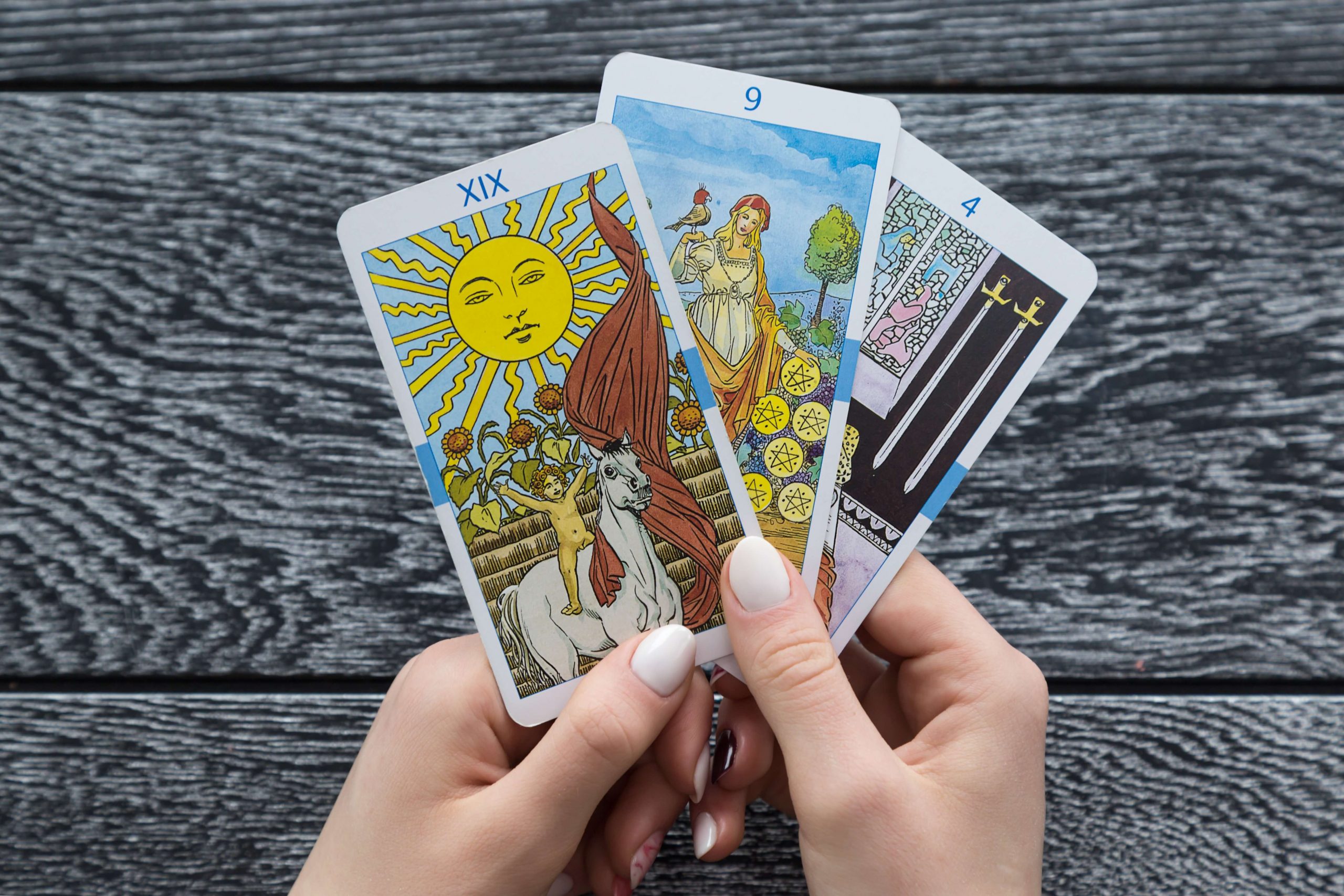
The Major Arcana are the 22 most powerful cards in the tarot deck — each one a chapter in the story of human experience. This guide explores what they are, how to read them, and what some of the most significant cards reveal.
Understanding the Major Arcana
The Major Arcana is a collection of 22 cards within the tarot deck, numbered 0 through 21, each representing a significant life theme, universal archetype, or deep spiritual lesson. Unlike the Minor Arcana — which tends to reflect the everyday texture of our lives — a Major Arcana card appearing in a reading typically signals something more significant: a major turning point, an important pattern, or a lesson that carries real weight in the querent’s journey.
When multiple Major Arcana cards appear in a single spread, it often suggests that the situation involves more than surface-level circumstances — there are deeper forces or larger themes at work worth paying close attention to.
The Fool’s Journey: A Narrative of Transformation
One of the most useful frameworks for understanding the Major Arcana is the concept of the Fool’s Journey — the idea that the 22 cards together tell a single story of personal growth and spiritual development. The Fool (card 0) represents the soul at the beginning of its journey: open, inexperienced, full of potential. Each subsequent card represents a stage of that journey: the acquisition of skills and knowledge (The Magician), the development of inner wisdom (The High Priestess), the confrontation with authority and structure (The Emperor and The Hierophant), the tests of courage and surrender (Strength, The Hanged Man), the encounters with transformation and death (Death, The Tower), and ultimately the arrival at wholeness and integration (The World).
Reading the Major Arcana through this lens — as chapters in an ongoing human story — gives each card a richer, more layered meaning than any keyword list can provide.
Reading the Major Arcana: Trusting Your Intuition
There is no single correct approach to interpreting the Major Arcana. Tarot reading is an intuitive practice, and your connection to the imagery and symbolism of each card is a genuine part of what makes a reading meaningful. As you lay out the cards and sit with their illustrations, notice what feelings, images, or thoughts arise — before you reach for a reference book.
Your intuitive response to a card in the context of a specific reading is often more precise than any general meaning. The traditional meanings are a foundation, not a ceiling.
Key Cards and Their Meanings
Here’s a closer look at several of the most significant Major Arcana cards:
The Magician (I): The Magician represents the power of conscious intention and skilled action. All four suits of the Minor Arcana are represented on the Magician’s table — wand, cup, sword, and pentacle — symbolizing mastery of all the elements and the ability to draw on every resource available. When this card appears, it signals that the querent has what they need to move forward. The question is whether they’re willing to use it.

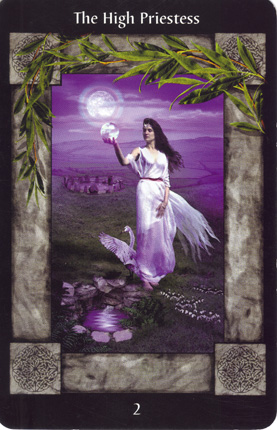
The High Priestess (II): Where The Magician acts, The High Priestess waits and listens. She represents deep intuition, inner wisdom, and the knowledge that not everything needs to be acted upon immediately. The scrolls in her lap, the pomegranate curtain behind her, and the lunar crown all speak to hidden knowledge and the wisdom of the subconscious. When she appears, the message is often: slow down, trust your instincts, and pay attention to what isn’t being said aloud.
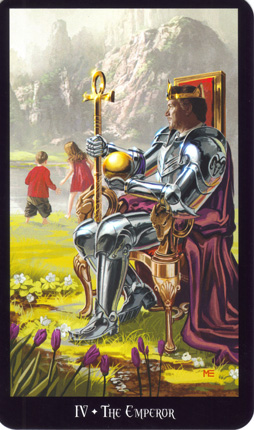
The Emperor (IV): Authority, structure, and the power of established order. The Emperor represents the builder — the one who creates systems, enforces boundaries, and provides stability. In a reading, he can represent either the querent stepping into a leadership role, or the influence of a powerful authority figure in their life. He asks: are you taking responsibility for your circumstances, or waiting for someone else to do so?
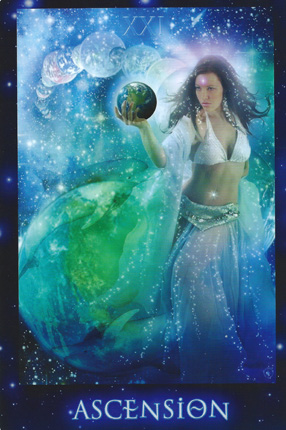
The Lovers (VI): More nuanced than its name suggests, The Lovers represents not just romantic partnership but the principle of conscious choice —specifically, choices that require you to align your actions with your deepest values. It often appears at crossroads moments, pointing to the need for genuine discernment rather than convenience. In love readings, it can signal a significant and meaningful connection; in broader readings, it points to a choice that will define the path ahead.
The World (XXI): The final card of the Major Arcana and The Fool’s journey. The World represents completion, integration, and the fulfillment of a significant cycle. It doesn’t just signal success — it signals the kind of success that comes from having genuinely moved through all the stages required. When it appears, something important has reached its natural conclusion, and a new beginning is ready to unfold.
Context Matters: Interpreting Within the Reading
Major Arcana cards don’t exist in isolation. Their meaning in any given reading is shaped significantly by their position in the spread and the cards surrounding them. A card like The Tower next to The Star reads very differently than The Tower next to The Devil. Pay attention to how the cards in a spread form a conversation with each other — the relationships between them often carry as much meaning as any individual card’s symbolism.
Embracing Symbolism and Visual Elements
Each Major Arcana card is layered with symbolic imagery — colors, numbers, figures, objects, animals, and celestial bodies — all contributing to its meaning. In the Rider-Waite-Smith tradition, for example, yellow backgrounds often signal consciousness and mental energy, while blue speaks to emotion and intuition. The number associated with each card carries numerological significance as well.
You don’t need to have all these layers memorized to read effectively — but as you work with the cards over time, you’ll begin to notice the visual vocabulary of the deck and find that it deepens your interpretations naturally.
Unlocking Reversed Cards
When a Major Arcana card appears reversed (upside down), it doesn’t simply mean the opposite of its upright meaning. Reversed cards more often signal that the card’s energy is internalized, blocked, or in the process of shifting. The Strength card reversed, for instance, might suggest self-doubt or unused inner resources rather than simply “weakness.” Some readers work with reversals; others prefer to read all cards upright. Neither approach is inherently superior — choose the one that serves your practice.
Major Arcana in Love and Relationships
Major Arcana cards bring particular weight to relationship readings. The Lovers speaks to partnership, choice, and alignment of values. The Hierophant can signal commitment, tradition, or external expectations shaping a relationship. The Moon may indicate hidden emotions, illusions, or something unspoken beneath the surface. When a Major Arcana card appears in a relationship position, it often suggests the dynamic at play carries significance beyond the immediate situation.
Personal Growth and Self-Discovery
Beyond readings, Major Arcana cards make powerful tools for personal reflection. Meditating on a single card, keeping it visible on your desk, or journaling in response to its imagery and themes are all meaningful ways to engage with the lessons it offers. Many practitioners work with the card of the year — determined by adding the digits of their birth date to the current year — as a guiding archetype for personal development throughout the year.
Navigating Interpretation Pitfalls
The most common pitfall in reading Major Arcana cards is becoming too rigid with interpretations — either fixating on a “positive” or “negative” reading of a card rather than responding to what the card is actually showing in this specific context. The Death card is a classic example: it almost never indicates literal death and almost always signals transformation. Understanding what Death really means in a reading is a good example of how meeting cards with openness rather than fear produces far more useful insights.
The Harmony of Major and Minor Arcana
A rich tarot reading weaves together both Major and Minor Arcana. Think of the Major Arcana as the overarching themes and spiritual weather of a situation — the broad forces at work. The Minor Arcana provides the specific details: the day-to-day experiences, the practical actions, the emotional textures. Both are necessary for a complete reading, just as both the big picture and the fine print matter when you’re trying to truly understand a situation.
Conclusion
The Major Arcana are among the richest repositories of symbolic wisdom available to us. Whether you’re just beginning your tarot journey or deepening an established practice, these 22 cards offer endless layers of meaning to explore. The key is to approach them not as a fixed system to memorize, but as a living language — one that reveals new dimensions the more you work with it and the more honestly you bring yourself to the reading process.
Frequently Asked Questions
-
Can I use Major Arcana cards for specific questions? Absolutely. Major Arcana cards address specific situations all the time — their deeper symbolic weight simply means that when one appears in a specific-question reading, it tends to point to something significant about the forces at play rather than just the surface circumstances.
-
How do I know if a Major Arcana card is especially significant in a reading? Any Major Arcana card carries more archetypal weight than a Minor Arcana card. When several appear together in a spread, it’s worth pausing to consider what larger theme or pattern they collectively point toward, in addition to reading each one individually.
-
Should I pay more attention to upright or reversed Major Arcana cards? Both deserve careful attention. Upright cards express the card’s primary energy in a relatively accessible or direct way. Reversed cards often suggest that the same energy is blocked, internalized, or in transition — requiring more inner work before it can be fully expressed or integrated. Neither is inherently more or less important; they simply offer different angles on the same archetype.
This article was last updated in April 2026.