

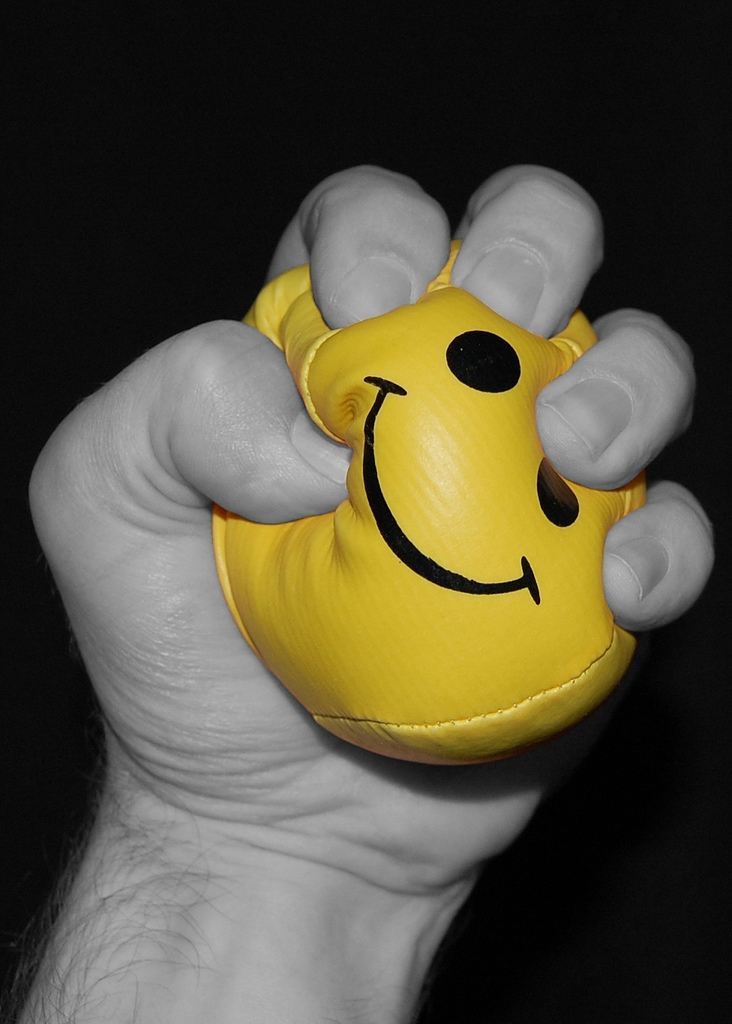
Stress is a universal human experience. At its most basic level, it’s part of the body’s natural fight-or-flight response — a survival mechanism designed to protect us from danger. The problem is that in modern life, this system gets triggered constantly by pressures that aren’t physical threats: work demands, relationship tensions, financial worry, and the relentless pace of daily life. Over time, chronic activation of the stress response raises blood pressure, disrupts sleep, weakens immune function, and increases the risk of serious health conditions. The personal growth practices below offer real, evidence-grounded ways to bring that response back into balance.
Meditation: Changing the Brain, Not Just the Mood
Meditation is one of the most well-studied and consistently effective tools for managing stress and anxiety. You don’t need extensive training or a special setup to benefit. The foundation is simple: find a quiet space, close your eyes, breathe slowly and deliberately, and focus your attention on a single point — the breath itself, a word or phrase, or a peaceful mental image.
When the mind wanders (and it will), gently return attention to your chosen focal point without judgment. That act of returning — again and again — is actually the practice. Research published in the Washington Post, drawing on work by a Harvard neuroscientist, found that meditation doesn’t just reduce stress — it literally changes the structure of the brain, including regions associated with self-awareness and compassion. Even ten minutes a day produces measurable effects over time. For ideas on where and how to practice, see our guide to the best places to meditate.
Shift Your Perspective Deliberately
Your interpretation of events shapes your stress response as much as the events themselves. Two people can face identical circumstances and experience radically different levels of stress depending on how they frame the situation. This isn’t about forced positivity or denial — it’s about developing the habit of noticing the mental narratives that amplify stress and consciously questioning them.
Practices like beginning each morning by identifying something specific you’re grateful for, or pausing when a stressful thought arises to ask “Is this thought accurate? Is it helpful?” can genuinely rewire habitual patterns of response over time. As we explore in our post on the power of positive thinking, the evidence for the mind’s capacity to reshape its own patterns is substantial — and it doesn’t require pretending that difficult things aren’t difficult.
Nourish Your Body
What you eat affects how you feel, including how resilient you are in the face of stress. Highly processed foods, excess sugar, and inadequate nutrition all contribute to inflammatory responses in the body that can amplify the physiological stress reaction. Conversely, a diet built around whole foods — vegetables, fruits, lean proteins, healthy fats, and complex carbohydrates — supports the neurochemistry of calm and emotional regulation.
This doesn’t mean rigidity or perfection. It means making nourishment a priority rather than an afterthought — and noticing how different foods affect your energy, mood, and stress levels. For many people, even modest dietary changes produce noticeable improvements in how they handle the pressures of daily life.
Manage What You Can Control
Much of the anxiety that drives chronic stress comes from attempting to control things that are genuinely outside our influence. A powerful stress-management practice is developing clarity about this distinction — identifying what actually is within your power to affect, and deliberately releasing your grip on what isn’t.
This is easier said than done, but it’s a skill that develops with practice. Journaling about a stressful situation — explicitly mapping what you can and cannot control within it — is one of the most practical tools available for building this capacity. The act of putting the distinction on paper creates a clarity that anxious mental rumination rarely achieves on its own.
Set Healthy Boundaries
Chronic stress is often, at its root, a boundary problem. Too many commitments, too little protected time, relationships that consistently take more than they give, and a difficulty saying no — these are structural sources of stress that no amount of breathing exercises can fully compensate for. Part of a genuine personal growth approach to stress management is developing the ability to set and maintain boundaries with your time, energy, and emotional availability.
This involves both the practical skill of saying no and the internal work of believing that your needs and limits are as legitimate as anyone else’s — which for many people is the harder part. It’s also worth exploring what tarot has to say about your current situation: other relaxation techniques can complement the inner work beautifully.
The video below features Louise Hay sharing timeless insights on building a mindset that supports a healthier, less stressed life:
This article was last updated in June 2026.