

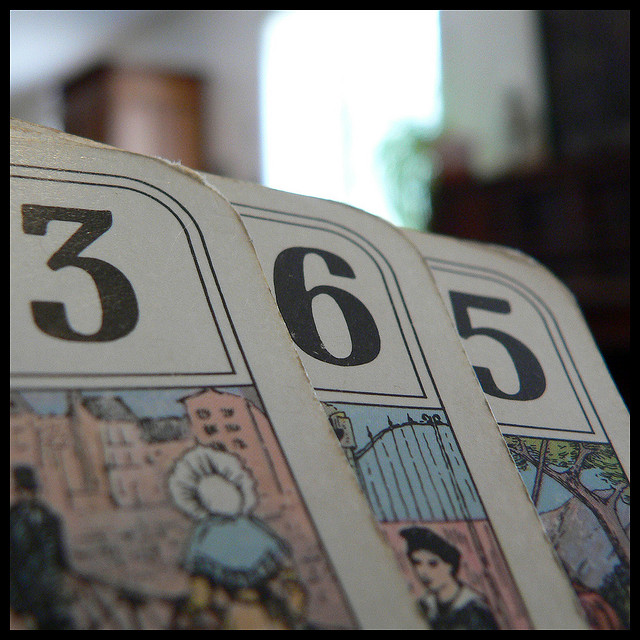
Getting ready for a tarot reading — whether with a professional reader or on your own — is worth taking seriously. The preparation you bring to a reading can meaningfully shape the experience and the insights you receive. Here’s how to approach it with intention.
Understand What Tarot Readings Are (and Aren’t)
Tarot cards have been used for centuries as tools for reflection, guidance, and insight. A skilled reader uses the 78 cards of the tarot deck — 56 Minor Arcana and 22 Major Arcana — to illuminate the energies and patterns present in your situation.
Going in with realistic expectations matters. Tarot isn’t designed to deliver fixed predictions or definitive yes/no answers. It works best as a tool for gaining clarity, exploring your options, and understanding yourself more deeply. When you approach it that way, readings tend to be far more valuable than when you’re hoping the cards will simply tell you what to do.
Relax Your Body and Mind
The state you arrive in matters. Approaching a tarot reading while anxious, rushed, or mentally scattered makes it harder to be genuinely open to what comes through. A relaxed, settled mind is more receptive — both for you as the querent and for the reader who’s working with your energy.
There are many ways to arrive in a more relaxed state. Some people take a bath with Epsom or sea salt, which has the added benefit of clearing residual energetic static. Others spend 10–15 minutes in quiet meditation beforehand. Even simply stepping outside for a few minutes of fresh air, or doing a few slow deep breaths before sitting down, can shift you into a more grounded and open state. Choose whatever approach fits your schedule and temperament — the goal is simply to arrive as settled and present as you can be.
Reflect on What You Hope to Understand
Before the reading begins, spend a few quiet minutes with the question or situation you’re bringing to it. What is it you actually want to understand better? Where do you feel stuck, uncertain, or in need of a clearer perspective?
Be honest with yourself. If you’re seeking guidance on a relationship, acknowledge the full complexity of what you’re feeling — not just what you’d like the answer to be. If you’re thinking about a career decision, get clear on what you actually value, not just what seems most practical. The more honestly you can articulate what’s really going on for you, the more directly the reading can speak to it.
At the same time, stay genuinely open. Sometimes the most valuable part of a reading is what emerges that you weren’t expecting — an insight about a different aspect of the situation, or a pattern you hadn’t consciously recognized. Don’t close yourself off to that possibility by going in with a fixed idea of what the reading “should” say.
Prepare Your Questions Thoughtfully
The quality of your questions shapes the quality of the reading. Open-ended questions that invite exploration tend to produce much richer insights than narrow yes/no questions.
Compare these two versions of the same underlying concern:
“Will I get the promotion?” — A yes/no question that puts the cards in the position of delivering a verdict rather than offering insight.
“What do I need to understand about my current professional path and where it’s leading?” — An open question that invites the cards to illuminate the actual dynamics at play.
Similarly, questions framed around understanding yourself and your situation tend to be more useful than questions about controlling specific outcomes. Think about what you genuinely need to understand rather than what you want the reading to confirm. If you’re curious about what makes a querent’s question work well in a reading, that post explains the concept in more depth.
Write your questions down beforehand. It’s easy to forget what you wanted to ask once you’re actually in the reading, especially if you’re nervous or excited.
Set a Clear Intention
Beyond your specific questions, it helps to hold a broader intention for the reading — something like “I want to see this situation clearly” or “I’m open to whatever guidance is most useful right now.” This kind of intentional framing creates a receptive inner environment and signals, in a sense, that you’re ready to receive honest insight rather than just reassurance.
If you’re drawn to the idea of visualization, some readers suggest spending a moment imagining the outcome you most hope for — not to manipulate the reading, but to get in touch with what you genuinely want. This connects to the principle explored in the relationship between thought and reality: knowing clearly what you desire is different from demanding a specific outcome. One opens you up; the other closes you down.
Clear Your Energy and Space
Some people find it helpful to clear their energy before a reading — not because it’s required, but because it creates a sense of ritual and intentional transition that supports the reading’s quality. This might mean burning a candle or incense, smudging your space with sage or palo santo, spending a moment in silence, or simply tidying the area where you’ll be sitting so it feels calm and uncluttered.
For online readings, this matters just as much as in-person sessions. Find a quiet space where you won’t be interrupted, silence your phone notifications, and give yourself a few minutes to settle before the reading begins. The quality of your presence affects the quality of what comes through, regardless of the format.
Be Honest and Stay Open
The most productive readings happen when querents are willing to be honest — with their reader and with themselves. If something that comes up in a reading doesn’t resonate, say so. A good reader will explore the card’s meaning from a different angle. But also check in with yourself before dismissing something: sometimes the things we most resist are the most important to sit with.
Tarot works best as a genuine conversation rather than a passive performance. The more openly you engage with what the cards are showing, the more valuable the reading will be.
This article was last updated in April 2026.