

When researching spiritual growth and development, you’ll likely encounter the concept of chakras. Recognized across many Eastern spiritual and healing traditions, chakras are understood as centers of subtle energy within the body that influence physical, emotional, and spiritual wellbeing. Here’s what you need to know.
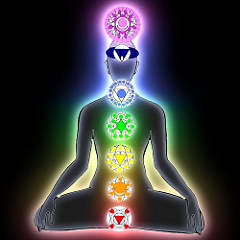
Chakras: The Basics
A chakra (from the Sanskrit word for “wheel” or “circle”) is understood as a metaphysical energy center within the body. In traditional Indian systems of medicine and spirituality, the body is thought to contain a network of energy channels called nadi through which life force (called prana) flows. Chakras are the meeting points of these channels — the nodes in the body’s subtle energy network where multiple pathways converge.
When energy flows freely through these centers, the result is a sense of vitality, balance, and wellbeing. When a chakra becomes blocked or overactive, the disruption can manifest in physical symptoms, emotional difficulties, or a general sense of being “off.” Chakra work — whether through meditation, breathwork, bodywork, acupuncture, sound, or other modalities — aims to restore that free flow.
Where Chakras Are Located
Different traditions map the chakras somewhat differently, which can cause confusion when comparing sources. As scholar David Gordon White noted:
“In fact, there is no standard system of the chakras. Every school, sometimes every teacher within each school, has had his own chakra system.”
— Professor David Gordon White
That said, the seven-chakra system originating from medieval Hindu tantric texts has become the most widely recognized framework in Western wellness contexts. This is the system most commonly referenced in yoga, meditation, energy healing, and spiritual development communities today.
The 7 Most Common Chakras
Here is a brief overview of the seven primary chakras, their locations, and the areas of life they are associated with:
1. Root Chakra (Muladhara)
Located at the base of the spine, the Root Chakra governs our foundational sense of safety, security, and belonging. When balanced, we feel grounded, stable, and connected to the physical world. When blocked, fear, insecurity, and financial anxiety tend to dominate.
2. Sacral Chakra (Svadhisthana)
Situated just below the navel, the Sacral Chakra is associated with creativity, pleasure, sexuality, and emotional fluidity. A balanced Sacral Chakra supports creative expression and healthy relationships. Blockages here often manifest as emotional rigidity, creative blocks, or difficulties with intimacy.
3. Solar Plexus Chakra (Manipura)
Located in the upper abdomen, the Solar Plexus Chakra governs personal power, self-confidence, and the will to act. When functioning well, we feel capable, motivated, and clear about our direction. When disrupted — through chronic stress or emotional anxiety — we may feel powerless, indecisive, or easily overwhelmed.
4. Heart Chakra (Anahata)
Centered in the chest, the Heart Chakra bridges the lower three chakras (associated with earthly experience) and the upper three (associated with spiritual development). It governs love, compassion, connection, and the capacity for both giving and receiving care. Heart Chakra imbalances often show up as difficulty trusting, grief that hasn’t been processed, or emotional walls that prevent genuine connection.
5. Throat Chakra (Vishuddha)
Located at the throat, this chakra governs authentic self-expression, communication, and truth. A balanced Throat Chakra supports the ability to speak honestly and be genuinely heard. Blockages here often manifest as difficulty speaking up, fear of judgment, or conversely a tendency to speak without listening.
6. Third Eye Chakra (Ajna)
Situated between and slightly above the eyebrows, the Third Eye Chakra governs intuition, insight, imagination, and the capacity to see beyond surface appearances. This is the chakra most associated with psychic perception and inner knowing. When open and balanced, the mind is clear, perceptive, and capable of genuine wisdom.
7. Crown Chakra (Sahasrara)
At the top of the head, the Crown Chakra represents our connection to something beyond the individual self — to universal consciousness, spiritual awareness, and a sense of meaning that transcends ordinary experience. Balancing this chakra supports spiritual development and a feeling of peace and purpose.
Why Chakras Matter
Chakras represent the body’s life and energy force. When this subtle energy moves freely through all seven centers, the result tends to be physical health, emotional resilience, mental clarity, and a sense of spiritual connection. When one or more chakras are blocked — through stress, trauma, negative patterns, or poor physical health — the disruption can ripple outward in ways that affect every dimension of wellbeing.
Working with the chakras, whether through meditation, yoga, breathwork, sound healing, or simply increased self-awareness, is a way of taking an active role in your own energetic health — and by extension, your overall physical, emotional, and spiritual life.
Ways to Balance Your Chakras
There are many practical approaches to chakra balancing. Meditation focused on each chakra’s location and qualities is one of the most accessible starting points — the chakra balancing meditation video on our site is a good place to begin. Yoga poses associated with specific chakras, working with color and sound (each chakra has an associated color and tone), spending time in nature, and simply paying attention to which areas of life feel blocked or out of balance are all valid entry points into this practice.
Tarot and chakra work also connect naturally — many tarot practitioners find that the suit of Pentacles maps to the Root Chakra, Cups to the Sacral and Heart, Swords to the Throat and Third Eye, and Wands to the Solar Plexus. A tarot reading can sometimes surface which energy centers are most in need of attention at a given time.
This article was last updated in June 2026.